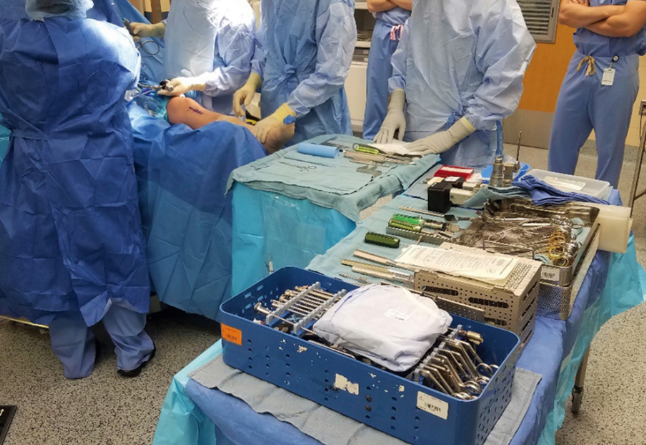
Traumatic injuries can create urgent and complex challenges for healthcare professionals. Fractures, severe soft-tissue injuries, and damage caused by accidents may require coordinated assessment, careful surgical planning, and appropriate equipment. In these situations, having the necessary instruments available and properly maintained helps clinical teams prepare for procedures efficiently.
Trauma departments often work under demanding conditions, where equipment readiness and communication between surgical, nursing, and sterile processing teams are particularly important. Instrument selection must reflect the procedure being performed, the patient’s clinical needs, and the systems used by the treating facility.
A structured approach to equipment planning can help hospitals maintain organized surgical workflows, reduce avoidable delays, and support established standards of care.
Understanding Instrument Requirements in Trauma Surgery
Trauma surgery covers a broad range of procedures used to manage injuries involving bones, joints, and surrounding tissues. Instrument requirements vary according to the location and severity of the injury, the chosen fixation method, and the patient’s overall condition.
A standardized inventory can help a hospital prepare for commonly performed procedures. However, emergency departments and operating rooms must also maintain flexibility because traumatic injuries differ significantly from one case to another.
Fracture Assessment and Reduction
Some fractures require the alignment of bone fragments before stabilization. The instruments selected for these procedures depend on the anatomical location, fracture pattern, and surgical approach.
Tools used for positioning or holding structures must be appropriate for the intended task and compatible with the procedure. Their selection should follow the operating surgeon’s plan and the facility’s established protocols.
Internal Fixation Procedures
Internal fixation may involve plates, screws, nails, or other implant systems, depending on the injury and clinical assessment. The associated instruments are often designed to support particular steps, such as preparing bone, measuring dimensions, inserting implants, or securing components.
Compatibility is essential. Instruments intended for one system should not be assumed to work with another simply because their general appearance is similar.
Management of Complex Injuries
Some trauma cases involve multiple injuries or require coordination between different surgical specialties. The equipment required may extend beyond a single standardized set.
Operating-room teams should confirm the expected procedure, available equipment, and any specialist requirements during preparation. When clinical circumstances change, the team may need to reassess equipment needs in accordance with established protocols.
Common Categories of Trauma Instruments
Trauma instrument sets contain tools designed for specific procedural functions. The exact composition depends on the hospital, the techniques used by its surgical teams, and the equipment systems available.
Reduction and Holding Instruments
These instruments can assist qualified clinicians with manipulating or maintaining the position of bone structures during selected procedures. Design features may include different jaw shapes, lengths, and locking mechanisms.
The appropriate model depends on the intended application and the surgeon’s preferred technique. Instruments should be inspected for correct operation before they are included in a surgical set.
Drilling and Measurement Tools
Certain fixation procedures require drilling systems, measuring instruments, and related accessories. These components must be compatible with the planned technique and any associated implant system.
Procurement teams should verify specifications such as dimensions, connections, and operating requirements. Clear identification can also help sterile processing personnel assemble the correct set before a procedure.
Plate and Screw Instruments
Some fracture management systems use instruments designed for specific plate and screw configurations. These may include tools for handling, positioning, measuring, or inserting the relevant components.
Because system compatibility can be critical, hospitals should maintain accurate records of the products used in each set. Any proposed substitution should receive appropriate technical and clinical review before implementation.
General Surgical Instruments
Trauma procedures may also require general-purpose instruments for tissue handling, cutting, grasping, and other tasks. The exact requirements depend on the procedure and the surgical team’s plan.
Maintaining a well-organized inventory helps staff distinguish general instruments from specialized components and identify shortages before the patient enters the operating room.
Factors That Influence Instrument Selection
Instrument selection should be based on clinical requirements, technical specifications, and the practical conditions of the healthcare facility.
Clinical Suitability
The first consideration is whether the instrument is appropriate for the intended procedure. A product’s intended use, dimensions, design, and compatibility should align with the clinical team’s requirements.
Surgeons should determine procedural needs, while procurement and technical personnel verify the relevant product specifications. This division of responsibilities supports informed decisions without relying on assumptions.
Material Quality and Construction
Surgical instruments must be manufactured from materials appropriate for their intended use and required reprocessing conditions. Surface finish, alignment, joint construction, and the performance of moving components may affect usability.
Hospitals should request suitable technical documentation and assess quality information against their purchasing requirements. Visual appearance alone is not enough to establish performance or compliance.
Ergonomics and Handling
Instrument weight, grip design, balance, and ease of manipulation can influence handling during a procedure. These factors may be particularly relevant when teams work with complex equipment or perform repeated tasks.
Where possible, qualified staff should assess instruments before a large purchase. Their feedback can help determine whether the design meets practical requirements in the operating room.
Planning a Reliable Trauma Instrument Inventory
An effective inventory system helps hospitals prepare for scheduled operations while maintaining readiness for urgent cases. Planning should involve clinical teams, procurement staff, operating-room personnel, and sterile processing departments.
Standardize Sets Where Appropriate
Standardized sets can reduce variation in preparation and make it easier for staff to identify required instruments. They can also simplify training, counting procedures, and replenishment.
Standardization should not prevent clinicians from accessing additional equipment when a case requires it. Hospitals should establish clear procedures for requesting supplementary instruments and confirming their availability.
Monitor Usage and Availability
Tracking how frequently instruments are used can help departments determine appropriate stock levels. Usage data may reveal recurring shortages, underused products, or opportunities to reorganize sets.
Critical components may require separate replenishment thresholds because their absence could delay a procedure. Inventory policies should reflect actual clinical demand and supplier lead times.
Maintain Clear Identification
Product labels, set lists, and inventory records should distinguish similar instruments and associated components. Where applicable, records should include manufacturer information, product identifiers, and lot or serial details.
Clear identification reduces the risk of selecting an incorrect item during preparation and supports traceability when maintenance or product concerns arise.
Evaluating Suppliers and Product Documentation
Supplier selection is an important part of trauma equipment planning. Hospitals need products that match their specifications, arrive according to agreed schedules, and include the documentation required for their intended use.
When comparing trauma surgery instruments procurement teams should begin with a detailed list of required products and technical criteria. This makes it easier to compare quotations fairly and identify differences that may affect suitability.
Verify Specifications and Compatibility
Before ordering, confirm product names, dimensions, intended applications, and compatibility with existing systems. Where instruments are supplied as part of a set, clarify exactly which components are included.
Written confirmation helps prevent misunderstandings and gives receiving staff a reliable reference when the shipment arrives.
Review Quality and Regulatory Information
Documentation requirements depend on the product and the market in which it will be used. Relevant information may include manufacturer details, instructions for use, conformity documentation, and material specifications.
Healthcare organizations should verify applicable requirements with their regulatory or quality management teams. They should not assume that a supplier’s general statement of compliance replaces the documentation required for a particular product.
Assess Delivery and Support
Trauma services may need to replenish instruments or replace damaged items without unnecessary delay. Buyers should understand standard lead times, shipping arrangements, warranty terms, and the availability of repair or replacement services.
Clear communication about backorders and product changes can help hospitals adjust their inventory plans before shortages affect operating-room preparation.
Cleaning, Sterilization, and Instrument Maintenance
Reusable instruments require appropriate cleaning and sterilization between uses. Hospitals must follow the manufacturer’s validated instructions alongside their infection prevention policies and applicable standards.
Apply Approved Reprocessing Procedures
Cleaning, disassembly, lubrication, drying, and sterilization requirements may vary between instrument types. Staff should have access to current instructions and training for the products they handle.
Complex instruments may require particular attention to joints or hard-to-access surfaces. Reprocessing personnel should follow the specified method rather than applying a general procedure to every instrument.
Inspect Before and After Use
Routine inspection can help identify corrosion, damage, loose parts, or changes in instrument function. Instruments that do not operate as intended should be removed from service until they have been assessed.
Inspection records can help identify recurring problems and inform decisions about repair or replacement.
Track Maintenance and Replacement
Maintenance records provide useful information about service history, repeated failures, and the remaining usefulness of individual products. Combined with usage data, these records can help departments plan replacements before essential instruments become unavailable.
Frequently Asked Questions
1. What should hospitals consider when selecting trauma instruments?
Hospitals should assess clinical suitability, compatibility with fixation systems, material quality, handling, documentation, regulatory requirements, and supplier reliability. The surgical team should determine procedural needs in collaboration with procurement and technical staff.
2. Why is compatibility important in fracture fixation procedures?
Certain instruments are designed for specific implants or equipment systems. Confirming compatibility helps prevent purchasing errors and supports preparation according to the approved surgical technique.
3. How can hospitals improve trauma instrument readiness?
Facilities can maintain standardized sets where appropriate, monitor stock levels, inspect instruments regularly, follow approved reprocessing procedures, and establish clear replenishment processes. Coordination between clinical and support teams is also essential.
Conclusion
Effective trauma surgery preparation depends on more than having a large collection of instruments. Hospitals need equipment that matches procedural requirements, is compatible with the intended systems, and can be maintained according to established quality and infection prevention practices.
By standardizing inventory where appropriate, verifying supplier documentation, monitoring equipment condition, and planning replenishment carefully, healthcare facilities can reduce avoidable preparation problems. These measures support organized operating-room workflows and help surgical teams focus on delivering appropriate care to patients with traumatic injuries.