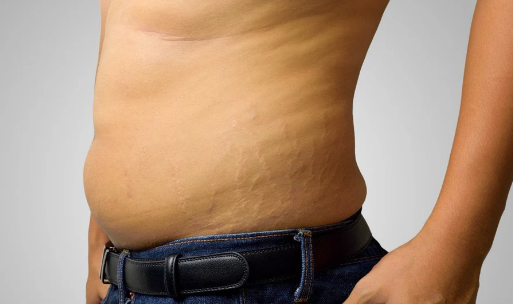
When we talk about someone having stretch marks, we usually assume it’s because of the pregnancy. But this is not always true! As the name goes, stretch marks occur when your skin stretches faster than it can adjust and they are completely normal. This could happen due to several reasons like weight changes, hormones, genetics and yes, of course, pregnancy!
They show up in different colours and textures, depending on their stage. While stretch marks fade with time, the right skincare routine can help improve their texture and appearance. Furthermore, using products rich in hydration with collagen-supporting ingredients can be a plus. Additionally, understanding their types is the first step in choosing what works best for your skin.
So, let’s start with knowing the types of stretch marks.
Types Of Stretch Marks
Striae Rubrae
These are the first signs that your skin is stretching quickly. They show up as pink, red, or sometimes purple lines. When you touch them, they may feel slightly raised and can cause mild itching or tenderness.
At this stage, the collagen and elastin (the fibres that keep skin firm and flexible) start to tear. Because tiny blood vessels are still active, the marks look more colourful. The good news is that this is the best time to care for them. Since they are just forming and are in the initial stage, they respond better to the treatment. Regular hydration, gentle massage, and using targeted creams or oils can help reduce their appearance and support your skin’s natural repair.
Striae Albae
With time, early stretch marks (Striae Rubrae) fade into a lighter form called striae albae. These look silvery white, feel softer, and may appear slightly sunken. They blend in more with your skin than red marks, but they’re also harder to treat.
At this stage, the blood vessels have shrunk, and the colour has faded, but the break in collagen remains. Since the skin has already done most of its natural healing, creams or oils may take longer to show results. Still, keeping the skin well-moisturised and using nourishing, strengthening ingredients can improve texture and help maintain elasticity over time.
Striae Gravidarum
Also known as pregnancy stretch marks, striae gravidarum deserve a category of their own because they can behave differently from general stretch marks. As the belly grows and hormones fluctuate, the skin experiences a combination of mechanical stretching and hormonal softening of collagen. Such types of stretch marks often appear during the second or third trimester.
Striae gravidarum can start as striae rubrae and then later turn into lighter striae albae. While they most commonly occur on the stomach, they can also appear on breasts, thighs, hips, or the lower back. Preventive care during pregnancy, including nourishing oils, safe stretch mark creams or other clinically-proven lotions, may help keep the skin supple and reduce the intensity of these marks.
Striae Caerulea
These marks are similar to striae rubrae but have a darker, bluish-purple appearance. They often show up on deeper or darker skin tones and can be more noticeable due to the natural pigmentation of the skin.
Striae caerulea indicate recent stretching, so they’re still in the active stage where skincare can be especially effective. Ingredients that boost hydration, encourage collagen production, and support skin repair can help soften their appearance as they mature.
Striae Nigrae
Occasionally, stretch marks may appear dark brown or almost black, especially on deeper skin tones. This happens due to increased melanin activity around the affected area. Hormonal influence, lifestyle factors, or genetic predisposition can contribute to this variation.
Though the colour can make the marks more visible, their behaviour is similar to other stretch mark types. Gentle, regular care helps support the skin’s natural healing process and gradually evens out tone over time.
How to Treat Stretch Marks?
Treating stretch marks isn’t about “erasing” them; it’s about strengthening your skin so they fade, soften, and blend better with time.
Stay Hydrated – Drink plenty of water and keep your skin moisturised. This helps your skin stretch more easily and lowers the chance of deeper marks.
Eat a Healthy Diet- Foods rich in vitamins, protein, and zinc make your skin stronger and more flexible from the inside out.
Exercise Regularly – Being active improves blood flow and boosts collagen, keeping your skin firm and resilient.
Protect from the Sun – Too much sunlight exposure can damage collagen and make stretch marks look darker. Use sunscreen or cover up to protect your skin.
Treat Early – The sooner you care for stretch marks, the better the results. Start nourishing them as soon as they appear.
Use Gentle, Effective Skincare – While there are plenty of products that claim to fade stretch marks, only a few truly live up to the promise. AreoVeda Stretch Marks Cream, made with over 98% natural ingredients like Striover, Hyaluronic Acid, and Ghee, deeply hydrates and shows visible improvement in just 28 days. It’s safe for both pregnant and breastfeeding women.
Conclusion
Stretch marks are simply a sign of your skin adapting to change. Knowing the types and understanding what your skin needs can help you care for them more confidently. With steady hydration, a balanced routine, and gentle, effective products, stretch marks can soften and blend over time. And if you’re looking for a supportive option for everyday care, AreoVeda’s Stretch Marks Cream offers a thoughtful, skin-strengthening solution for all kinds of stretch marks.